Predator: Badlands – A Dark Evolution of the Predator Franchise
Introduction: A Predator Story Like Never Before

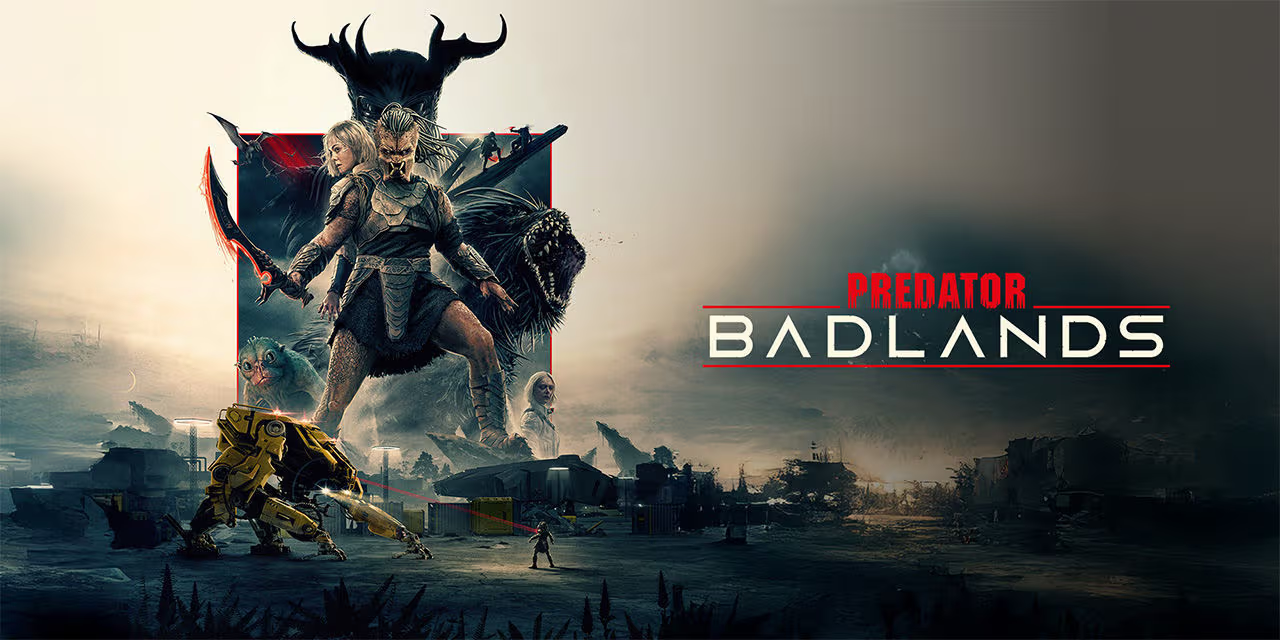
Predator: Badlands marks a turning point for one of cinema’s most iconic sci-fi franchises. Instead of retelling the familiar story of humans being hunted, this film dares to do something radically different—it tells the story from the Predator’s point of view. This bold creative shift transforms the Predator from a mysterious monster into a fully realized character, opening the door to emotional depth, cultural exploration, and moral complexity that the franchise has never fully explored before.
Set in a hostile alien world far removed from Earth, Predator: Badlands feels raw, intimate, and dangerous from the very first frame. It is not just a movie about survival—it is a story about identity, exile, and what it truly means to be strong.
The Setting: The Brutal World of the Badlands
The Badlands is not just a backdrop; it is a living, breathing threat. This alien planet is filled with scorching deserts, violent storms, treacherous terrain, and savage native creatures. Every step taken in this world feels earned, and survival is never guaranteed.
Unlike earlier Predator films that relied heavily on jungles or urban environments, Badlands embraces isolation. The vast emptiness of the planet emphasizes loneliness and danger, reinforcing the idea that this is a place where only the most adaptable can survive. The environment constantly challenges the characters, forcing them to evolve or perish.
A New Kind of Protagonist: Dek the Outcast Predator

At the heart of the story is Dek, a young Predator who does not fit the rigid standards of his species. Smaller, less intimidating, and seen as weak by his clan, Dek is cast out and abandoned. Within Predator culture—where honor, dominance, and physical superiority define worth—being different is unforgivable.
Dek’s journey is not just physical, but deeply emotional. He is forced to confront rejection, shame, and the instinctive need to prove himself. This makes him one of the most compelling characters the franchise has ever introduced. For the first time, audiences are invited to empathize with a Predator—not as a killer, but as a survivor struggling to define his own identity.
Predator Culture and Lore: A Deeper Look Into the Yautja
One of the film’s greatest strengths is its exploration of Predator society. The movie dives into the harsh traditions and beliefs of the Yautja species, revealing a culture obsessed with strength, ritual, and honor. Weakness is not corrected—it is erased.
Through Dek’s exile, the film questions whether such traditions truly create strength or merely suppress growth. This deeper look into Predator lore adds layers of meaning to the franchise, transforming it from simple action horror into thoughtful science fiction.
The Android Ally: Thia and the Human Connection

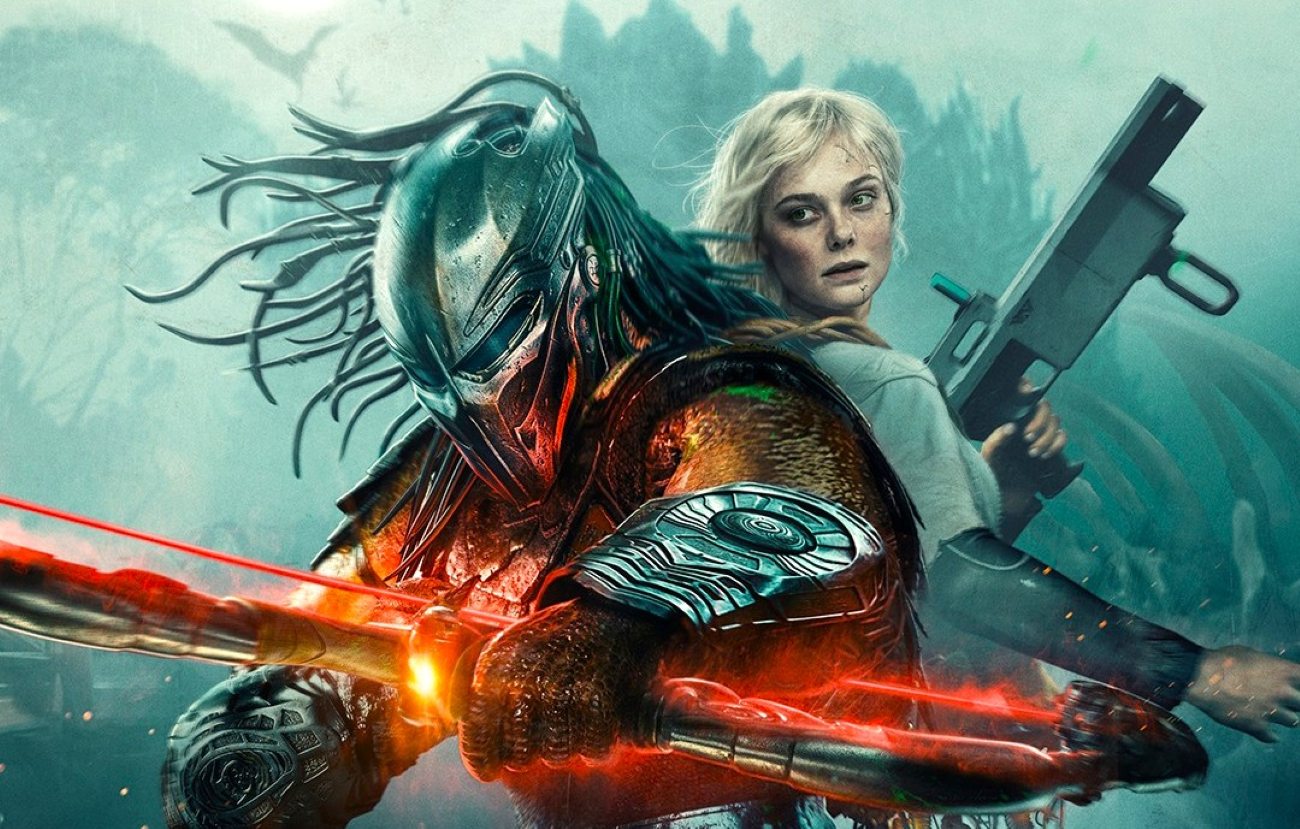
Dek’s journey takes an unexpected turn when he encounters Thia, an advanced android linked to the powerful Weyland-Yutani Corporation. Logical, efficient, and emotionally restrained, Thia serves as a sharp contrast to Dek’s instinct-driven nature.
Their alliance is uneasy at first, built purely on necessity. However, as they face escalating threats together, a strange bond forms. Both are outsiders—created or born into systems that reject imperfection. Their relationship becomes the emotional backbone of the film, adding depth and humanity to an otherwise brutal survival story.
Direction and Visual Style: Grit Over Gloss
Director Dan Trachtenberg brings a grounded, almost primal style to Predator: Badlands. The action is intense but never excessive. Every fight has weight, every hunt has consequences. Instead of flashy spectacle, the film focuses on tension, atmosphere, and raw physicality.
Visually, the movie is stunning in a harsh, unforgiving way. Dust-filled landscapes, burning skies, and shadowy ruins create a tone that feels ancient and futuristic at the same time. The Predator technology feels worn and practical, reinforcing the survival theme rather than overshadowing it.
Themes: Strength, Survival, and Evolution
At its core, Predator: Badlands is about redefining strength. The film challenges the idea that dominance alone equals power. Through Dek’s journey, the story suggests that intelligence, adaptability, and empathy may be just as important as brute force.
The movie also explores themes of exile and belonging. Dek’s struggle mirrors universal human experiences—being rejected, underestimated, and forced to find one’s own path. This emotional grounding is what makes the film resonate beyond its sci-fi setting.
Expanding the Predator Universe
Without overwhelming the audience, Predator: Badlands subtly expands the larger sci-fi universe. Hints of corporate exploitation, artificial intelligence, and interspecies conflict are woven into the narrative, leaving room for future stories while keeping this film self-contained.
Fans of the franchise will appreciate the respectful callbacks, while newcomers can easily jump in without prior knowledge.
Final Thoughts: A Predator Movie That Evolves
Predator: Badlands is not just another sequel—it is an evolution. By focusing on character, culture, and survival rather than pure spectacle, the film breathes new life into a legendary franchise. It proves that even a long-running series can still surprise, challenge, and emotionally engage its audience.
This is a Predator movie that dares to be different—and that courage is what makes it truly unforgettable.